Coir Growing Guides & Coco Peat Resources – Rise Substrates

Growers' Knowledge Hub

Technical spec sheets, greenhouse transition guides, and expert coir cultivation insights to optimize root health and yield.

Free Download

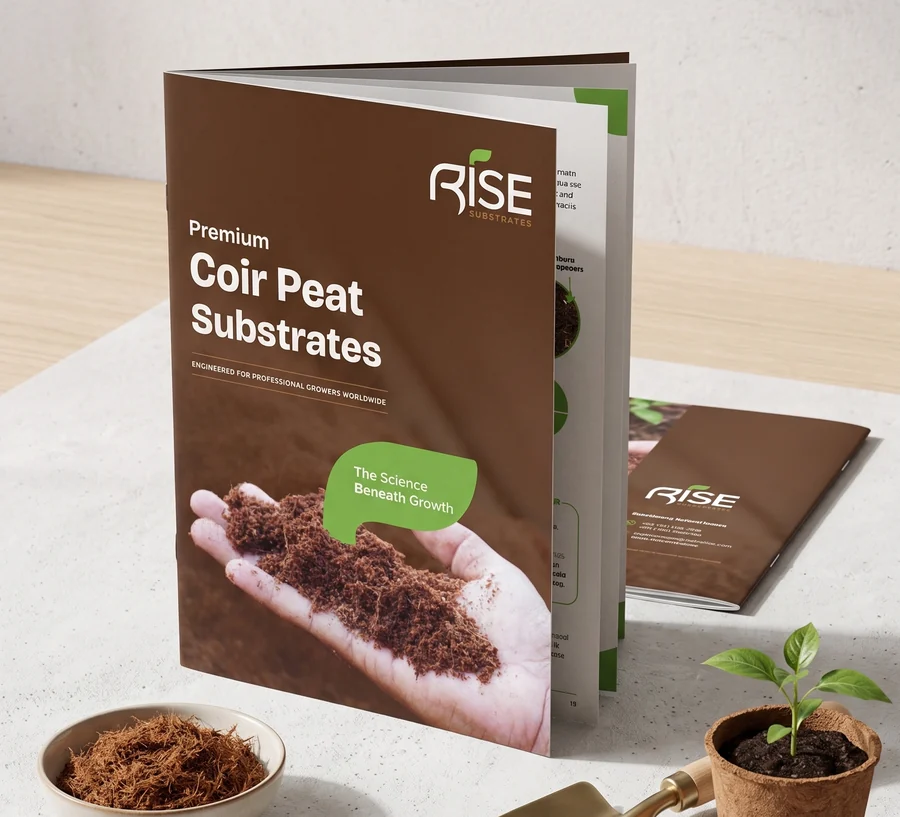
Premium Coir Peat Substrates
— Full Product Range Brochure

All formats, EC & pH specifications, pith/chip ratios, and format comparison in one document. Engineered for professional growers worldwide.

Download Brochure (PDF)
Rise Substrates Product Range Brochure
Pillar Guide Hydroponic Growing with Coco Coir

Hydroponic Growing with Coco Coir — Complete Guide

The complete reference for professional hydroponic growers using coir substrate — format selection, EC management, irrigation protocols, crop-specific blends, reuse cycles, and quality standards. 15-minute deep read.

Read the Guide
Foundation Guide What is Coir? Complete Guide to Coco Coir

What is Coir? Complete Guide to Coco Coir & Coco Peat

Everything growers need to know about coir: the difference between coir, coco peat, and coco chips; how it's manufactured; why it's the leading hydroponic substrate; and what separates quality coir from poor-grade product.

Read the Guide
Guide / PDF Greenhouse Substrate Transition Checklist

Greenhouse Substrate Transition Checklist

A step-by-step technical guide for growers transitioning their crop setup from soil or rockwool to coir substrates. Includes checklist of parameters and requirements.

View Checklist & Download
Spec Sheet Grow Slabs & Bags Technical Spec Sheets

Grow Slabs & Bags Technical Spec Sheets

Detailed chemical, physical, and dimensions specifications for Rise Substrates greenhouse Grow Slabs. Includes density, EC levels, and water retention curves.

View Spec Sheets
Article / Blog Understanding Rhizosphere Dynamics in Coco Coir

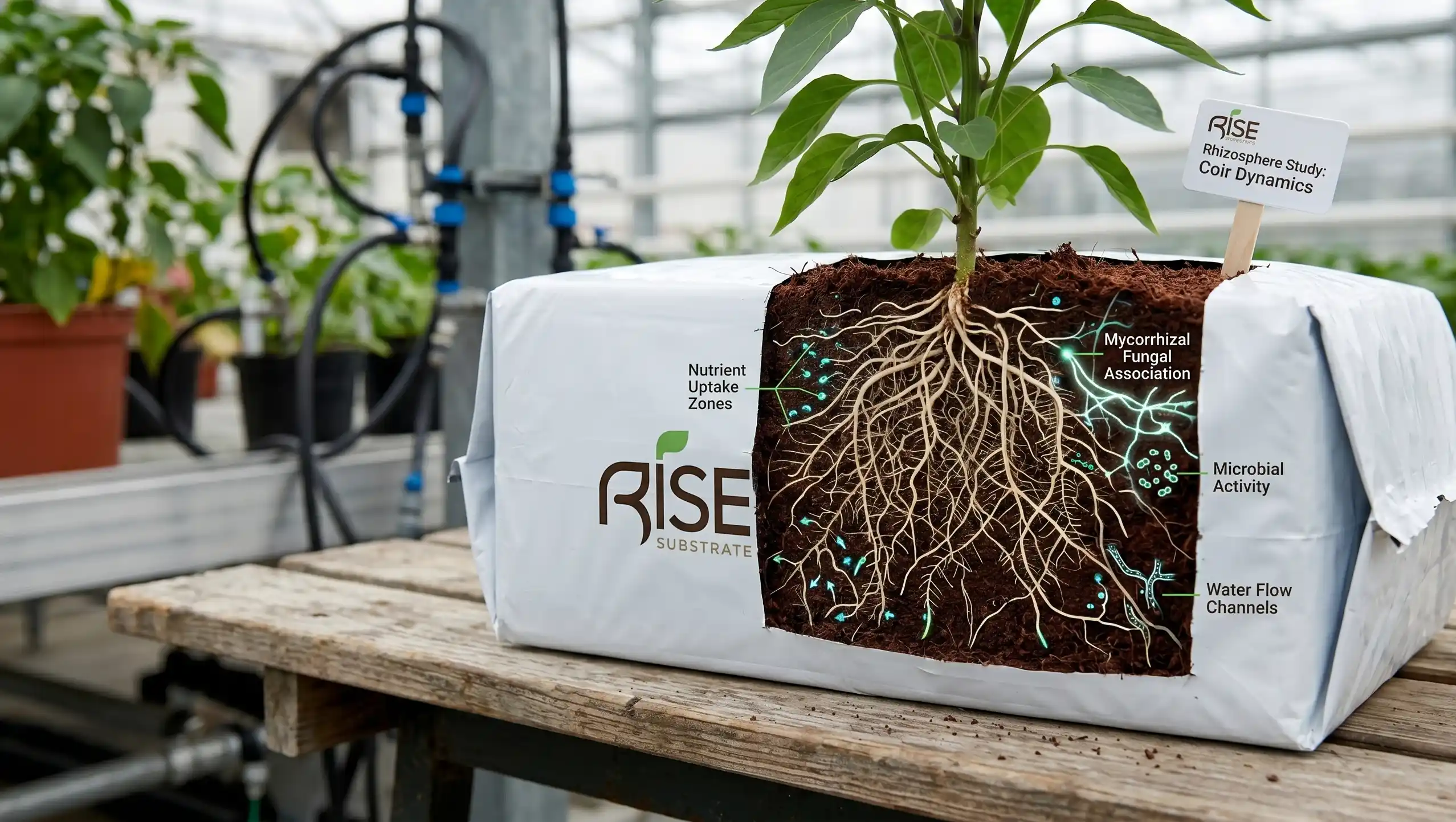
Understanding Rhizosphere Dynamics in Coco Coir

An in-depth scientific analysis of root development, air porosity, cation exchange capacity (CEC), and gas exchange dynamics in coir substrates.

Read Article
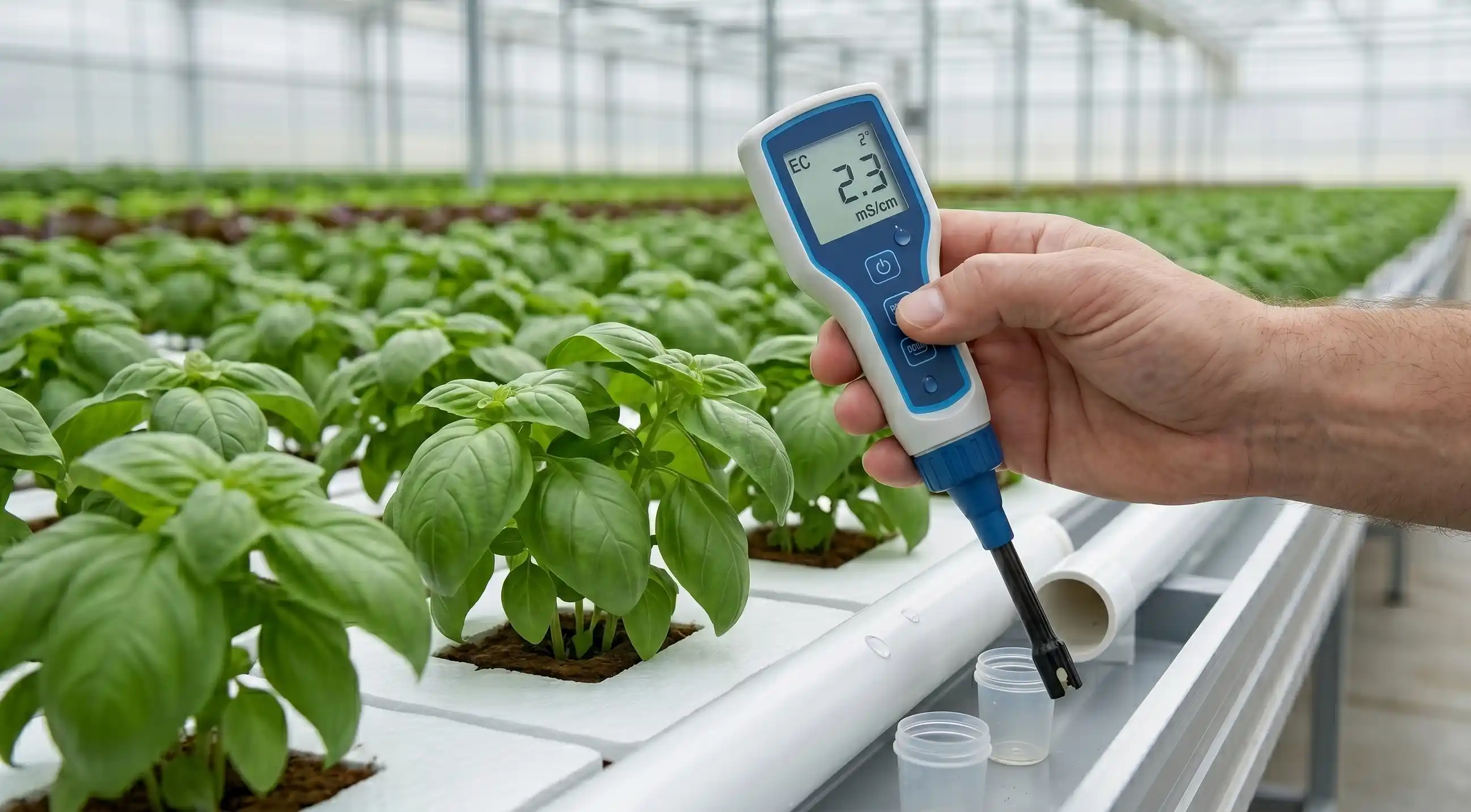
Article / Blog Optimizing Irrigation EC & pH for Run-to-Waste Systems

Optimizing Irrigation EC & pH for Run-to-Waste Systems

Key practices for configuring and monitoring electrical conductivity and pH parameters within commercial coco coir hydroponic growing lines.

Read Article
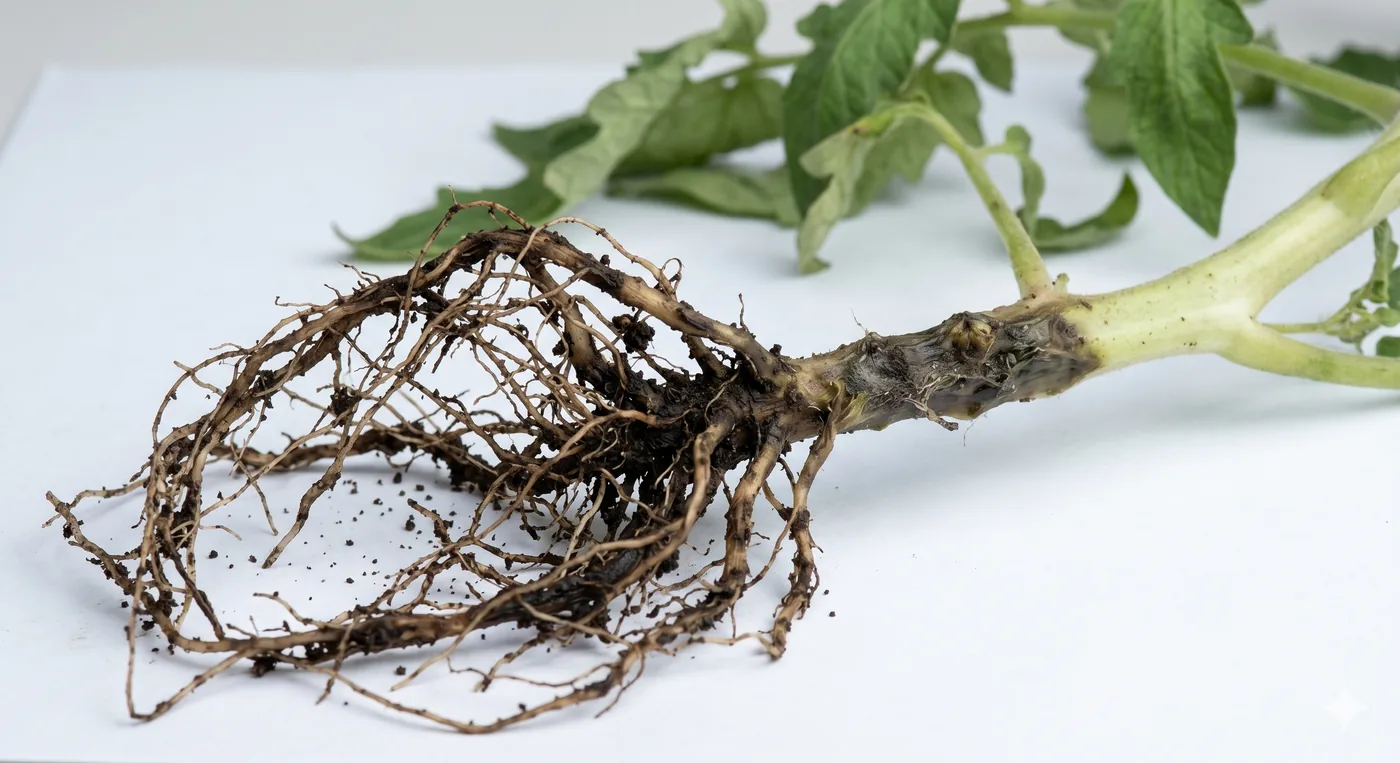
Guide & PDF Greenhouse Disease Prevention Guide — Root Rot and Disease Management

Greenhouse Disease Prevention Guide

Botrytis, Root Rot, Powdery Mildew, Fusarium — the four diseases that cost growers the most, and how to prevent each one at the substrate level. Includes weekly and monthly prevention checklists.

Read Guide
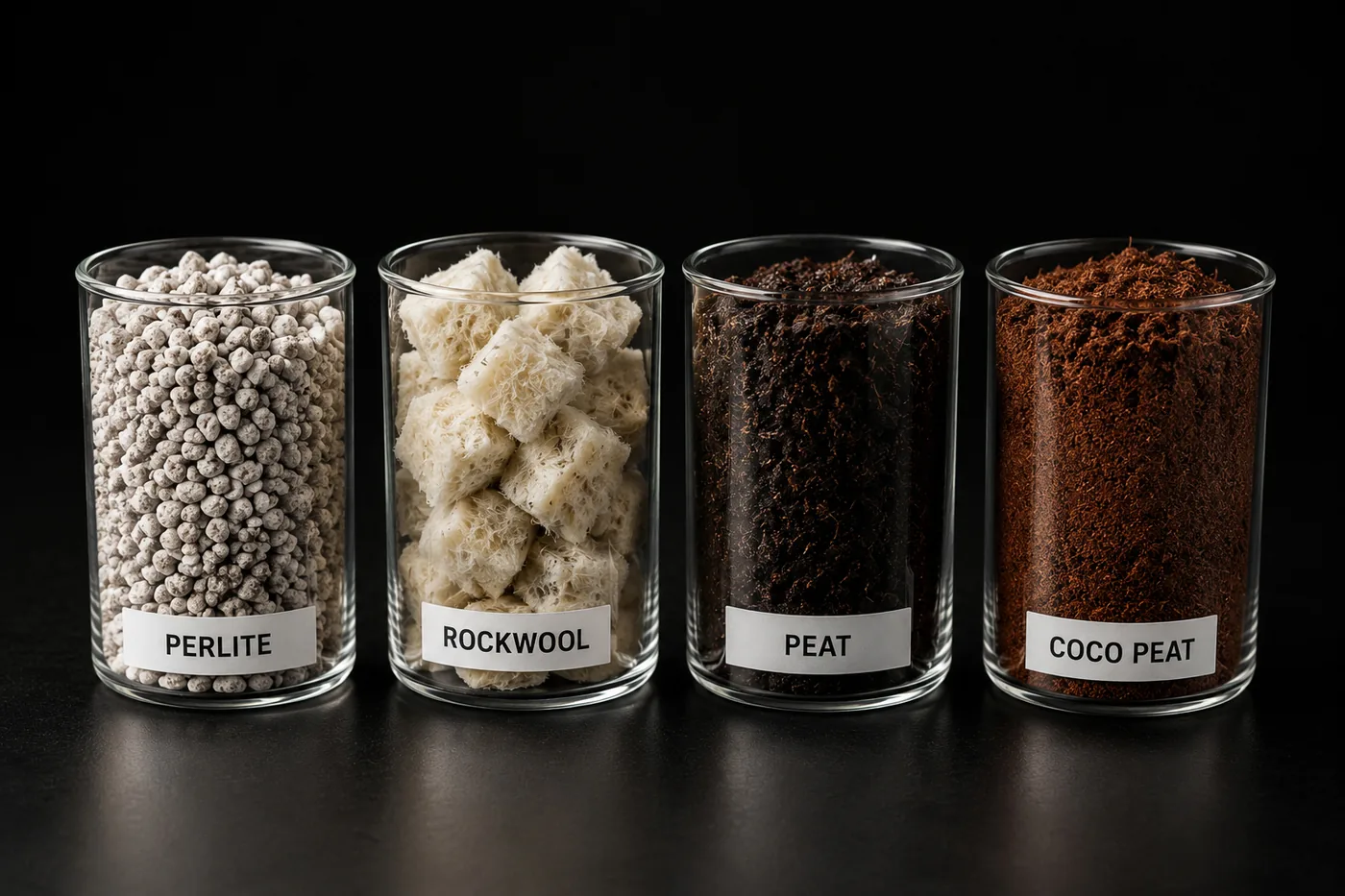
Datasheet / PDF Substrate Comparison — Coco Peat vs Perlite, Rockwool, Peat

Substrate Comparison Datasheet

Side-by-side specification comparison of coco coir against perlite, rockwool, peat moss, and vermiculite — covering CEC, AFP, WHC, compression ratio, EU compliance, compostability, and renewable origin.

View & Request Datasheet
Guide & PDF Irrigation & Watering Guide — Crop-Specific Protocols for Coco Coir

Irrigation & Watering Guide: Crop-Specific Protocols

Ten crops. Shot frequencies, EC targets, pH windows, run-to-waste percentages, and seasonal timing — all specific to commercial greenhouse production on coco coir substrate.

Read Guide
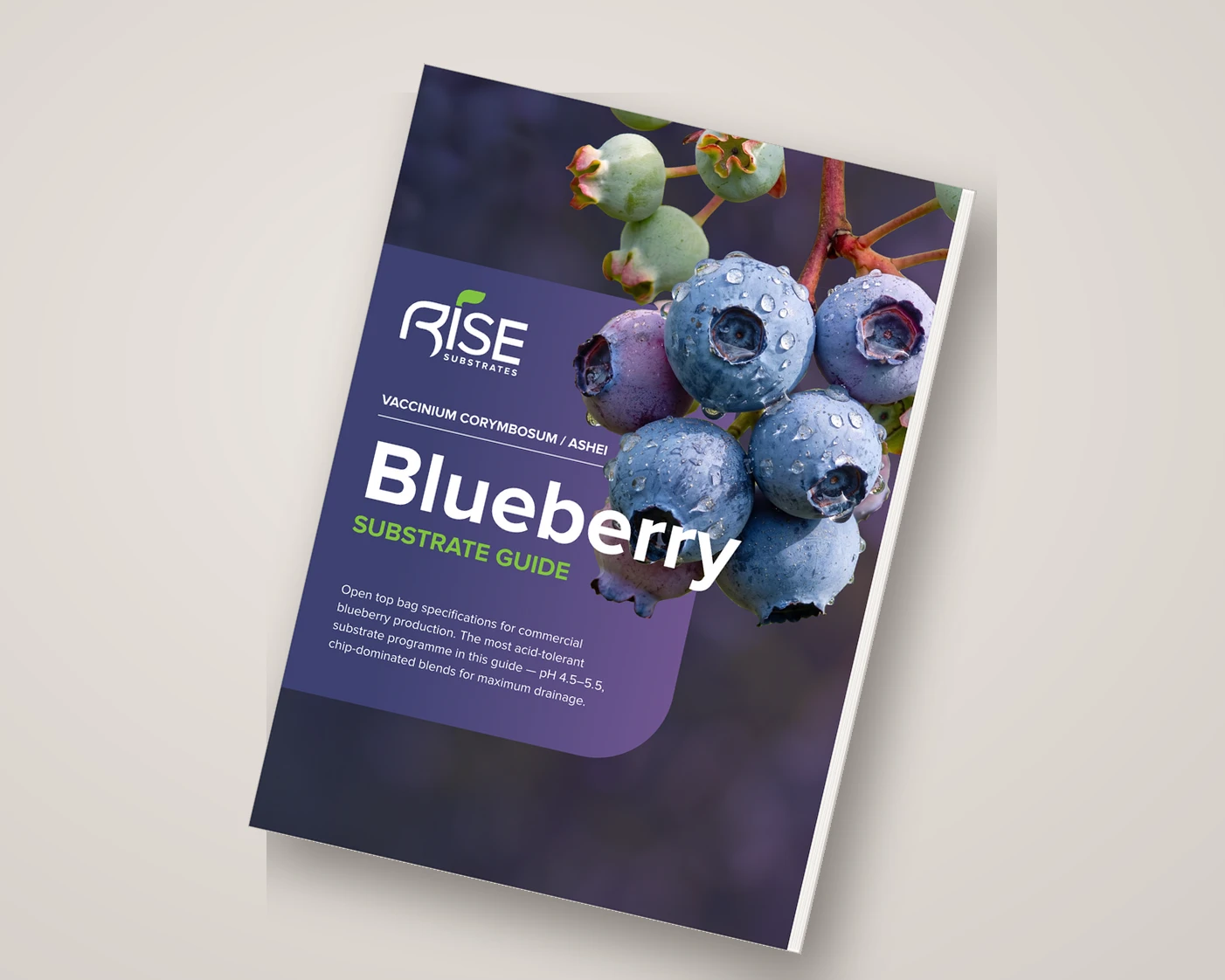
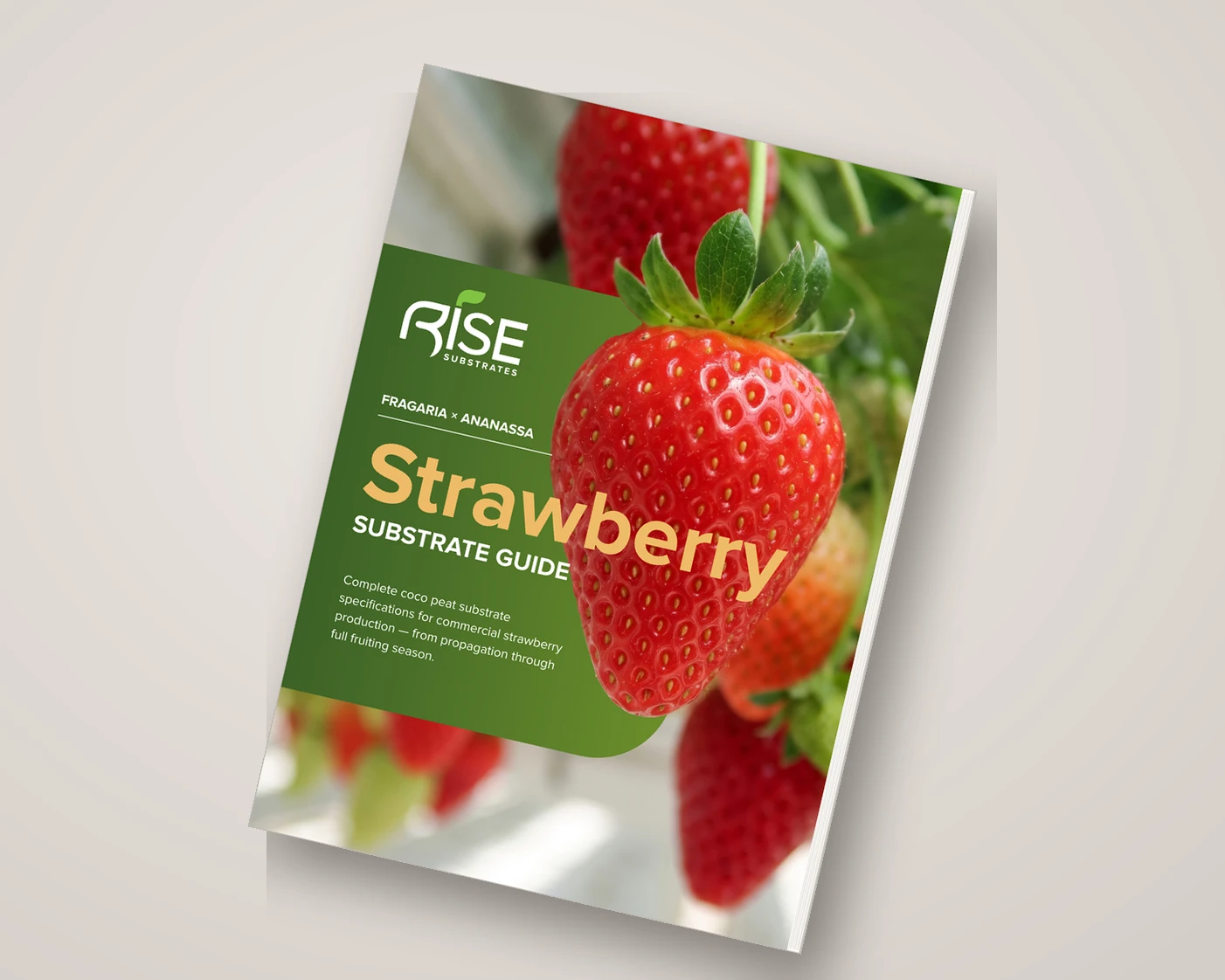
Crop Guide Growing Berries in Coco Peat — Strawberry, Blueberry & Raspberry Guide

Growing Berries in Coco Peat: Strawberry, Blueberry & Raspberry

EC targets, pH windows, irrigation protocols, and substrate format selection for three commercially important berry crops — including individual plant isolation for disease management.

Read Guide
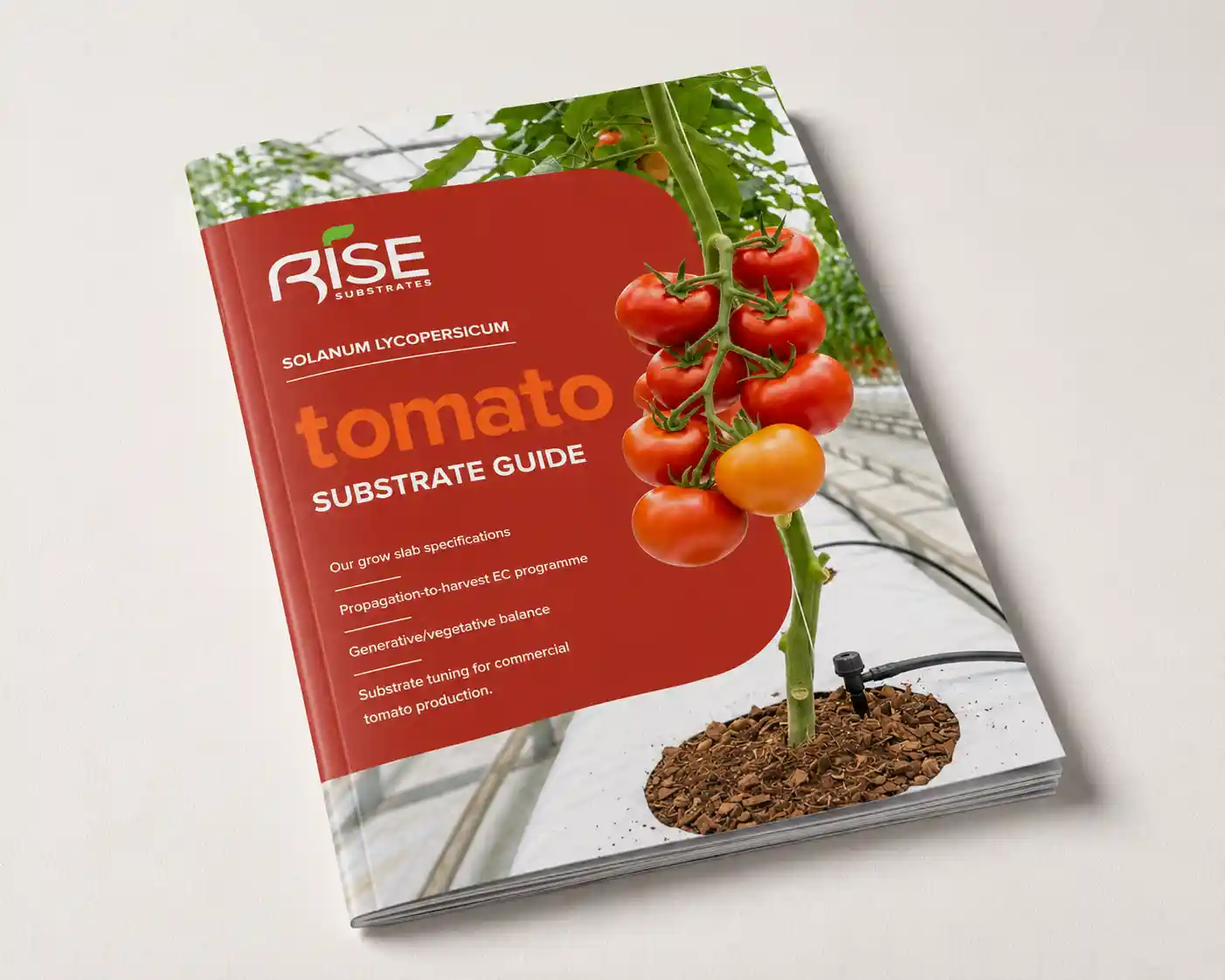
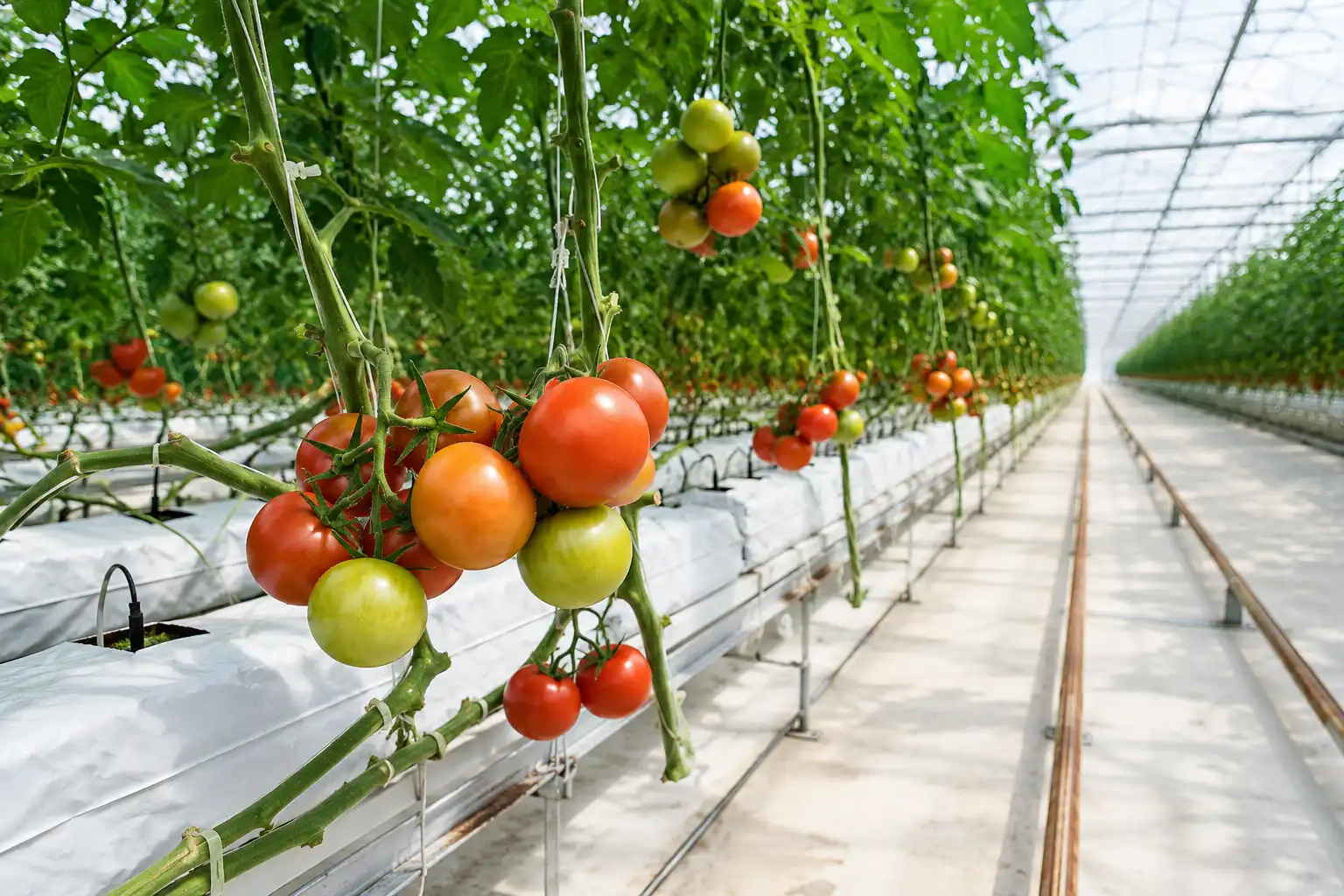
Crop Guide Growing Tomatoes in Coco Peat — Root Zone, EC & Substrate Guide

Growing Tomatoes in Coco Peat: Root Zone, EC & Substrate Guide

Substrate format selection, EC and pH management by growth stage, irrigation scheduling, and root zone monitoring for commercial greenhouse tomato production.

Read Guide
Sustainability Why Coco Peat is One of the Most Sustainable Growing Media

Why Coco Peat is One of the Most Sustainable Growing Media

Renewable origin, low processing footprint, water efficiency in the field, and biodegradable end of life — the full sustainability case for coco peat vs peat moss, mineral wool, and synthetic alternatives.

Read Article
Free Tool for Growers

EC Buffering Calculator

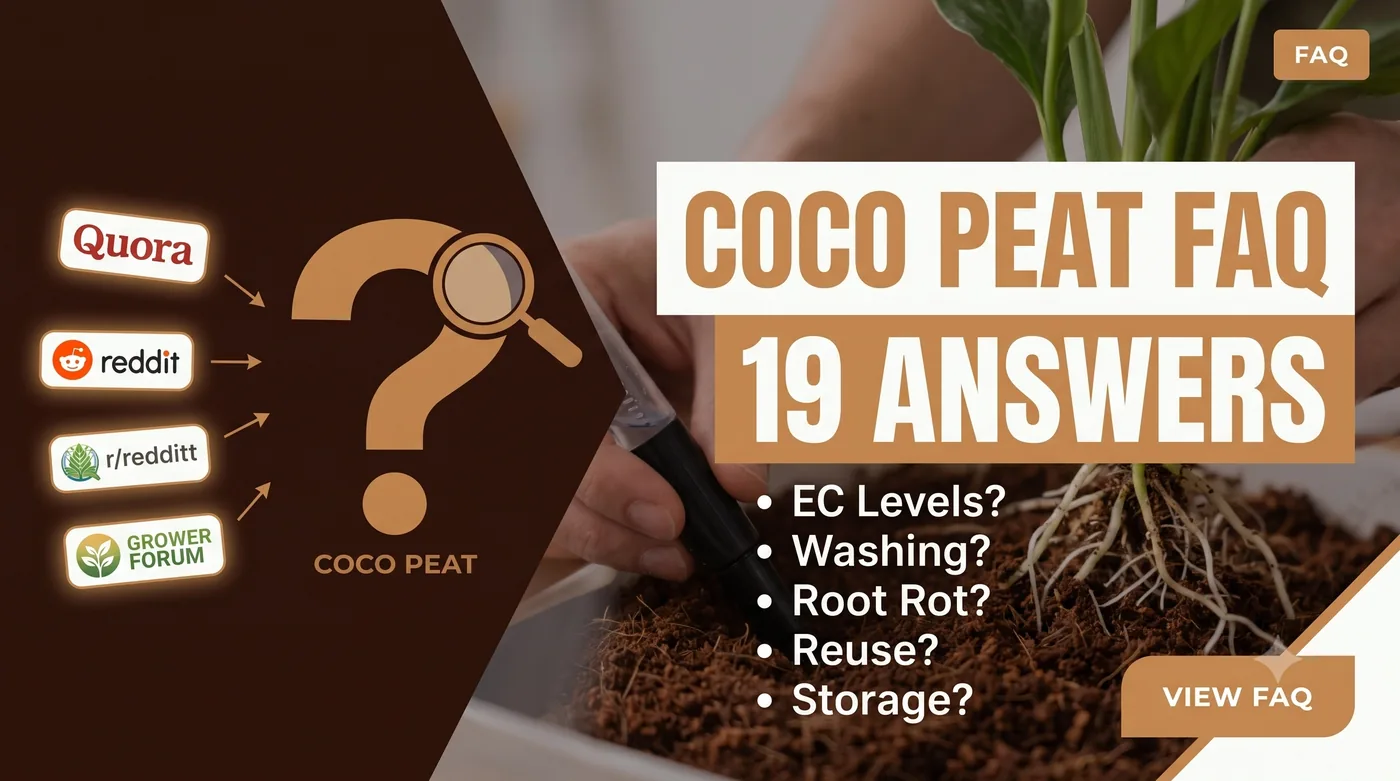
This tool helps growers calculate pre-treatment nutrient requirements for their coco peat. Rise Substrates ships washed & sun dried. Enter your volume, current EC, and target EC — get a precise recipe and step-by-step instructions.

Free No login No data collected Works offline
Why Buffering Matters

The calcium displacement method, explained

Raw cocopeat contains sodium and potassium ions that bind to the substrate. When you apply calcium-rich fertilizer, these ions compete — locking up your calcium and releasing toxic salts into the root zone.

In pre-treated growing systems, excess potassium is displaced before planting — reducing osmotic stress and crop loss. This method saturates cation exchange sites with calcium, then flushes the displaced sodium out during the initial hydration cycle.